Meet the Team: Sarah Gladics
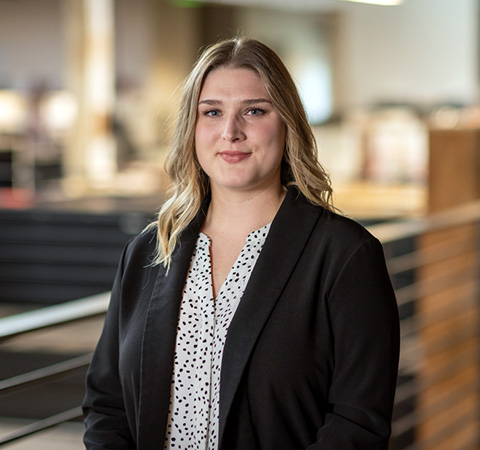
It’s often questioned why a fire station project would need an interior designer, but Rice Fergus Miller Interior Designer Sarah Gladics is here to change your mind. An Associate and employee at the firm for seven years, Sarah is a talented designer with a passion for serving the people who serve our communities. She applies her experience in space planning, interior design, and creating functional spaces to all of her projects. When she’s not designing, she helps manage and market RFM’s Fire & Emergency Services team. We recently chatted with Sarah to learn more about her background, passions, and what she thinks is in store for the future of the industry.
Rice Fergus Miller: How did you get into architecture & design?
Sarah Gladics: It was very unexpected. I thought I wanted to be a lawyer (I also changed my mind frequently). I have always been fascinated by architecture, so I took a history of architecture and an intro to drawing class in my first year at UW. Both classes challenged me in new ways, and I almost immediately knew that I needed to consider a new path.
I realized I wanted to pursue something that allowed me to be creative and analytical, so off to google I went to come up with some ideas. But really, google gets the credit. There’s also a story in there about rearranging my room as a kid (the early space planning, of course) and a founding family of my hometown and a piano, that led me to transfer to Cornish College of the Arts where I received a Bachelor of Fine Arts in Interior Design/Interior Architecture.
RFM: What brought you to RFM?
SG: A funny story, there’s always a story, right? I was at home recovering from a mildly traumatic wisdom tooth extraction when I got a LinkedIn message from someone at Rice Fergus Miller. I was working for a small residential design firm at the time but was open to making a move to a larger commercial firm. They asked me for my portfolio, and we scheduled an interview at their office, in Bremerton. WHERE was Bremerton. Again, I had to google. I took a nice ferry ride (and a day off my pain meds, ouch) to have my first interview with a half numb mouth and a splitting headache. I guess I nailed it because here we are almost 7 years and 4 fewer teeth later.
RFM: What is your specialty and why did you pick it?
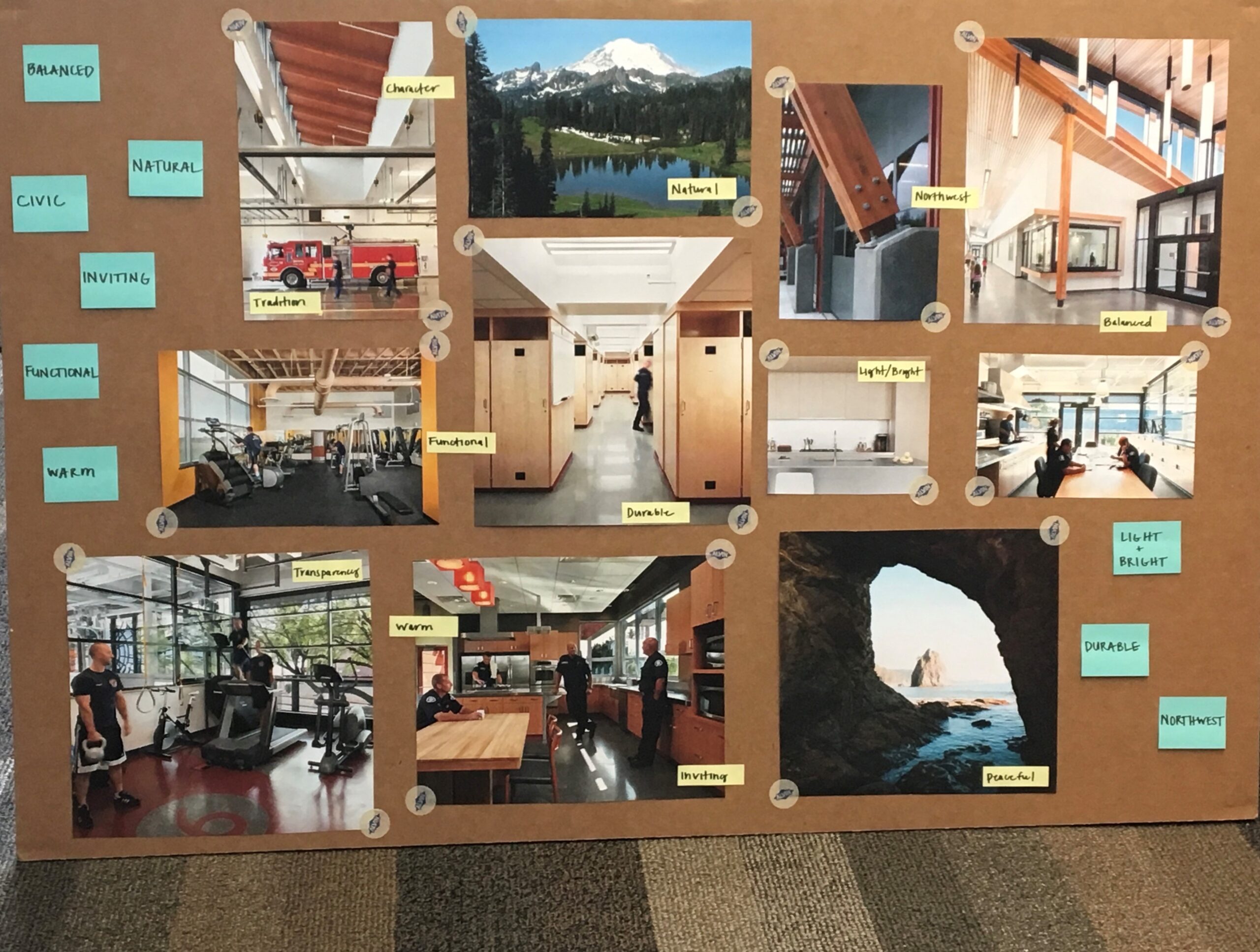
SG: I specialize in planning and designing the interior spaces for our fire and emergency services market. During my first year at RFM I worked in just about every market assisting on projects as needed, and one fine day in 2016 Howard came and asked me if I wanted to work on a fire station project. They needed an interior designer, so really the market picked me! I joined the FES crew and never looked back.
RFM: What is the most challenging aspect of FES design? The most rewarding?
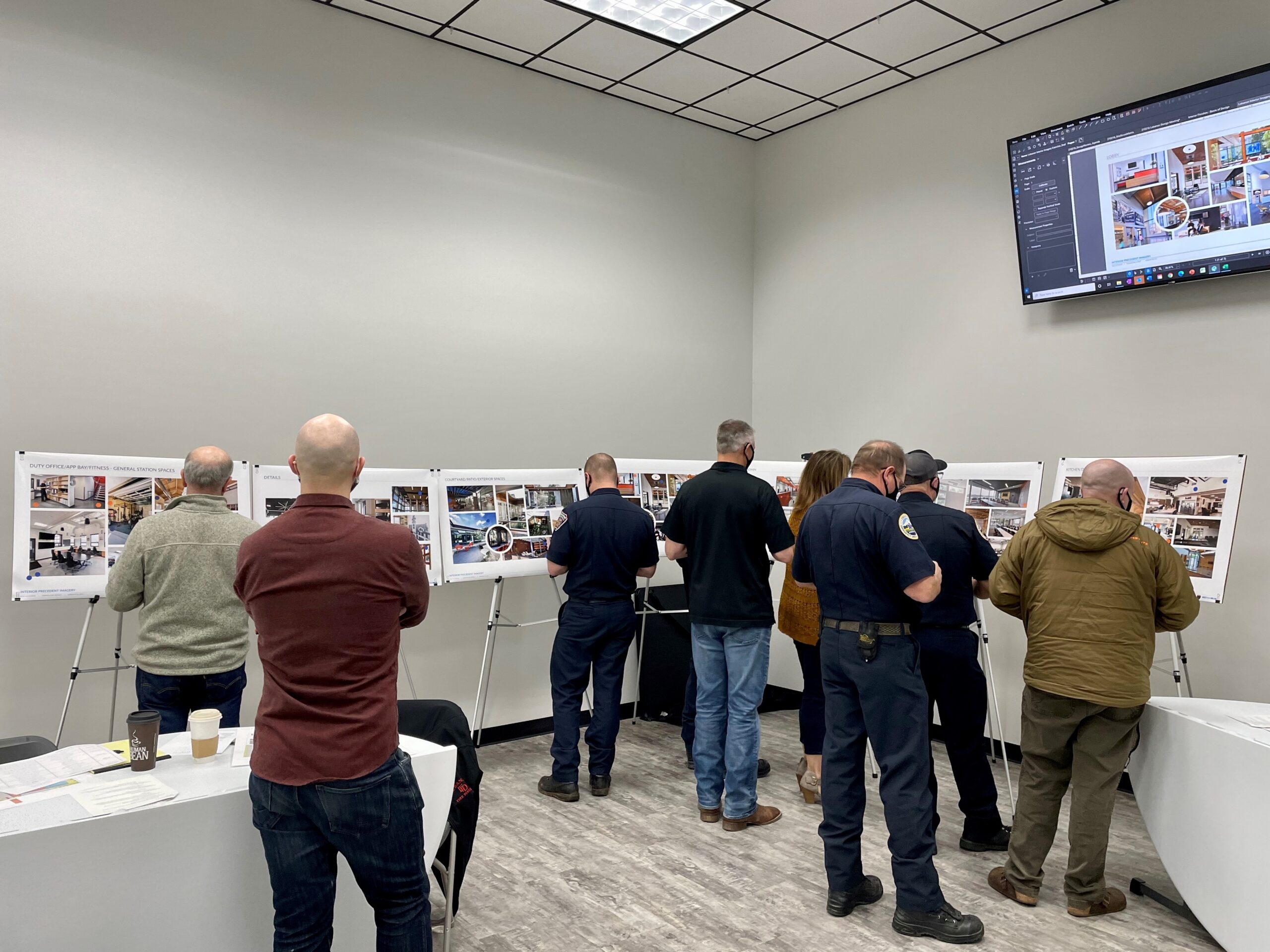
SG: The most challenging, and what I find most intriguing, is understanding operations. It might seem like things would be done the same across all districts and departments, but that is not the case. Every new client comes with a new program, new equipment, different SOP’s. There’s tremendous information that goes into programming and designing these stations.
The most rewarding part of my job is working on nailing down exactly what program our client needs and then translating that into a tangible floor plan, spaces and niches that serve each important function needed for every call. I love following the path from initial programming to the open house and ribbon cutting. We don’t just want to do a good job, we have to do our best work because this is taxpayer money going directly into facilities with a primary purpose of protecting their surrounding communities and the folks who live in it.
RFM: Where do you see FES design moving in the future? Any new trends emerging?
SG: Thankfully, we are seeing more and more diversity within the fire service industry. I am a huge advocate for inclusivity and use my voice (sometimes loudly) to ensure that our designs reflect this. From ADA compliance that, at times, goes above and beyond code requirements, to single occupancy sleep rooms and restrooms, we are implementing appropriate and forward-thinking measures in our modern fire stations.
Technology has also been increasing within stations and other facilities. High tech alerting systems are now standard. I can see more technology infiltrating our designs especially in terms of important equipment such as extractors, SCBA and ultrasonic gear washers and other decon tools. Hybrid electric engines are also being discussed. If the fire service industry moves in this direction, we will see many new opportunities within our station design.
RFM: What is the most valuable lesson you have learned from working with Dave?
SG: First of all, I’m still in denial that he’s retiring. Every conversation with Dave has been valuable to me personally and professionally. Dave has taught me about designing fire stations, running meetings, winning work, building and maintaining client relationships, among many other things.
If I had to pick one thing that I admire most about Dave, that I try to emulate in my own practice, is his contagious positive attitude and enthusiasm for every project and client, big or small. Dave, thank you for being a wonderful mentor.
RFM: What is your favorite part of what you do?
SG: The people. The clients, the stakeholders, the crews. Learning from and earning the trust of each group we get to work with is my favorite thing.
RFM: What do you like to do when you aren’t working?
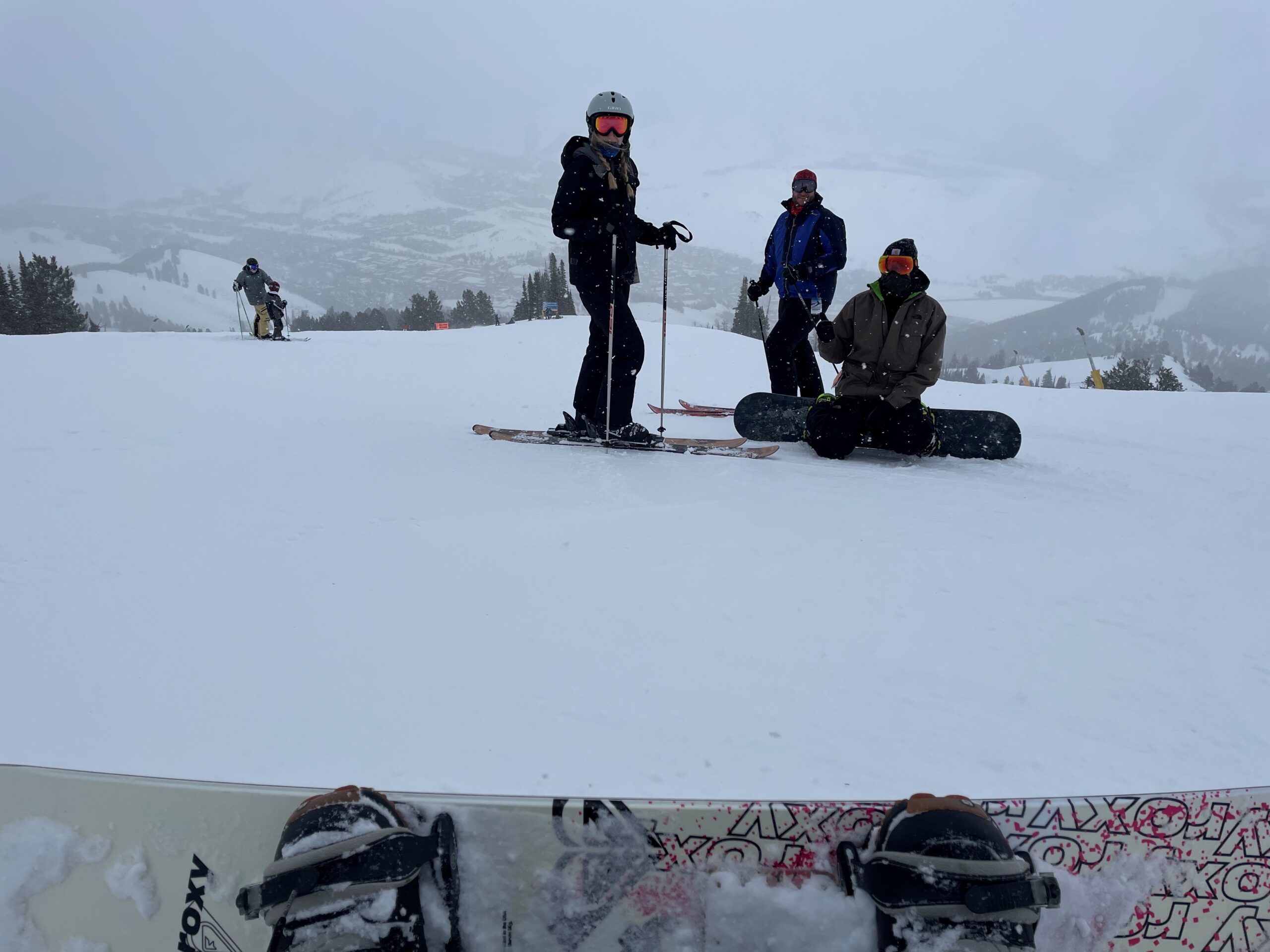
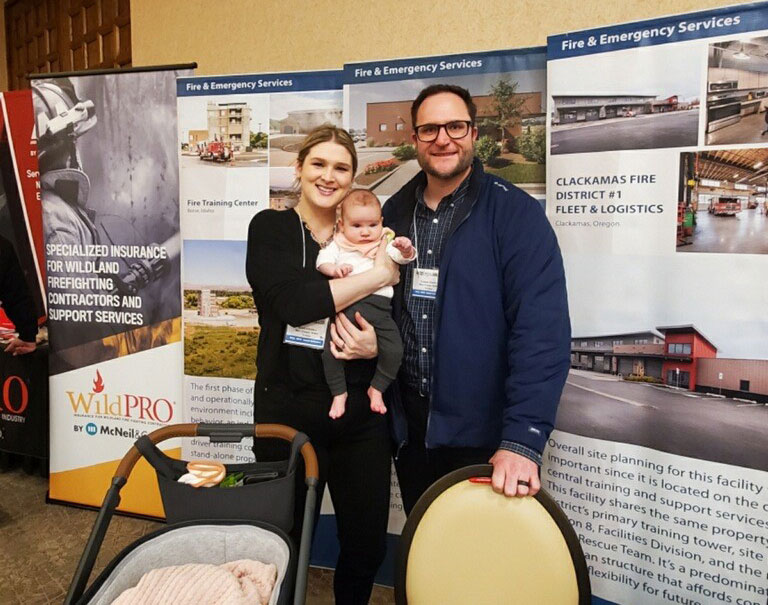
SG: I enjoy live music and sporting events, traveling, outdoor activities like camping and snowboarding, good food and drinks and spending time with friends and family (especially if Rummikub is involved). My husband and I had our first child a few months ago, so surviving the newborn phase is my most recent accomplishment.