Meet the Team: Gena Lee
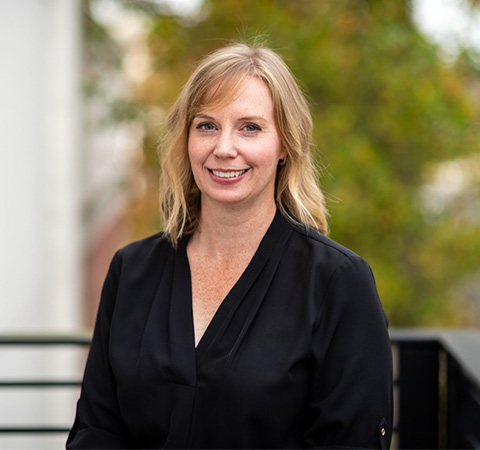
Associate Principal Gena Lee has worked as an interior designer at Rice Fergus Miller since 2007. Gena is one of two Certified Healthcare Interior Designers in the state of Washington, and she puts that expertise to work on the firm’s many healthcare projects. Currently she’s working on wrapping up a new MAT Clinic in Marysville, WA for The Tulalip Tribes, and a healing clinic in Aberdeen, WA for the Quinault Indian Nation. We chatted with her recently to learn more about her background and what keeps her passion for healthcare design alive.
Rice Fergus Miller: How did you get into architecture & design?
GL: When I was about 11 years old, I spent the summer at work with my mom, who worked at an engineering firm. There were drafting templates laying around, so I started sketching house plans and became obsessed! A few years later, my mom told me I could study interior design in college, so I focused my college search on accredited design programs and eventually chose Washington State, which was one of the best decisions I could have made. I’ve really never considered doing anything else but interior design.
RFM: What brought you to RFM?
GL: A good friend and fellow designer, with whom I worked at another firm, convinced me to come here. She said it was a great place to work – and she was right. RFM’s culture and transparency are truly unique.
RFM: How did you get involved with the charitable contributions committee at RFM? Why is this important to you?
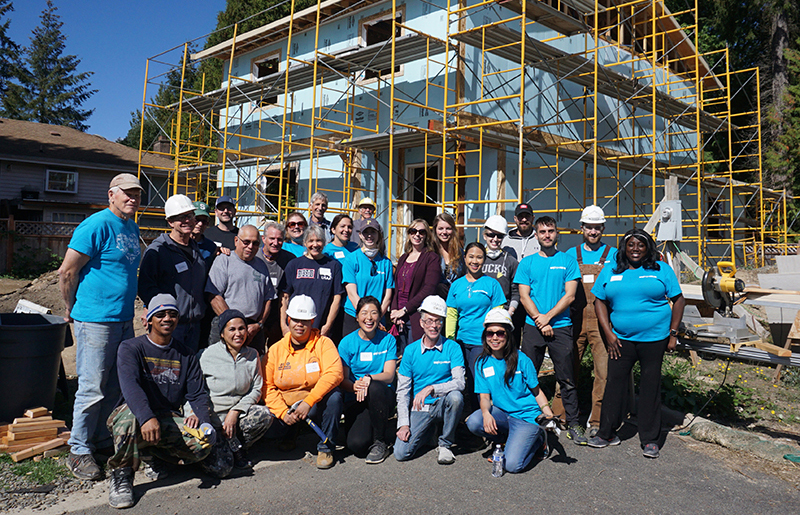
Gena Lee: I’ve been a member of the committee for about ten years, so when the previous committee chair left the firm eight years ago, I volunteered to lead the team. I’ve always appreciated RFM’s commitment to the community – and we make it clear that our community isn’t just Bremerton, it’s wherever our staff live – and I believe that living and working with a sense of gratitude can be a powerful catalyst for exciting things. One of my favorite quotes is “If you are more fortunate than others, build a longer table, not a taller fence.” Our BCorp certification has only strengthened our dedication to serving our community.
RFM: What has working in healthcare design taught you?
GL: The ability to pivot on a dime! All markets have a lot of moving targets to keep track of, but healthcare seems to be the extreme. Focus, organization, and follow-through are critical skills I’ve had to develop as a healthcare designer. Also, I always tell people that most of my job consists of the two big C’s: Coordination and Communication. We work with so many different disciplines in addition to the owner, who may not be experienced in the world of architecture and construction, so diligence in sharing and getting information is key.
RFM: What is the most challenging aspect of healthcare design? The most rewarding?
GL: Healthcare design can be an incredibly complicated jigsaw puzzle of spaces, equipment, building codes, and the ever-important need for materials to be cleanable and durable. Medical spaces must be truly multi-purpose: to serve the most clinical of needs while maintaining a sense of hospitality and comfort. These can seem diametrically opposed, but a designer’s goal is to marry the two as seamlessly as possible. We’ll never be able to convince a patient they’re sitting in a hotel lobby instead of waiting to see their doctor, but hopefully the spaces we design can ease their anxiety and aid in healing.
One of the most rewarding aspects of my work is designing workspaces for providers and staff, who spend much more time there than patients, and experience significant turnover rates due to anxiety, depression, and general burnout. This mental health burden has caused major labor shortages, so a designer’s ability to help mitigate this issue is a particular interest of mine.
RFM: Where do you see healthcare design moving in the future? Any new trends emerging?
GL: I believe COVID-19 will have a lasting impact on the way we design healthcare spaces. Infection prevention and control will become an even more important focus of design from the beginning of the project and facilities’ environmental services departments and infection specialists will play bigger roles. Floor plans will also need to be more flexible to accommodate practices like social distancing and telehealth.
Sustainability will also play a bigger role, particularly when it comes to a product’s life cycle. Products need to be able to last without wearing or “uglying” out. Replacement is messy, disruptive, and expensive, and facilities need to focus their dollars on providing quality healthcare rather than buying new flooring or furniture.
RFM: What do you consider are attributes or characteristics of a good designer/architect?
GL: Listening, objective and critical thinking, time management, diplomacy, writing and communication skills. I do my best to hone all of these skills on a daily basis.
RFM: What’s the most fulfilling step of bringing a project to life?
GL: Seeing my vision and hard work getting built and usually turning out better than I expected. That and learning a lot of lessons along the way, then sharing those lessons with others.
RFM: What do you like to do when you aren’t working?
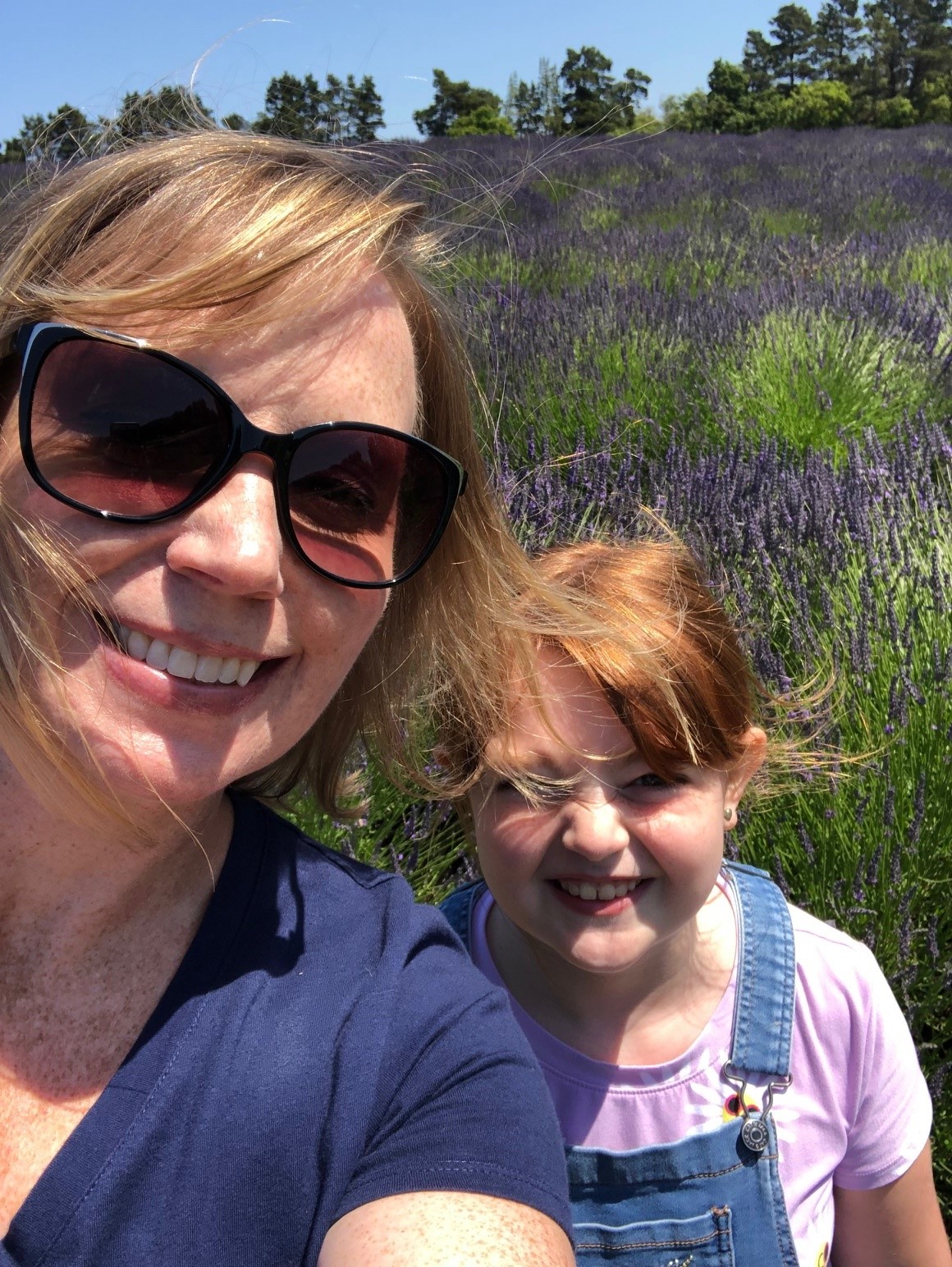
GL: Spending time with my daughter, gardening, reading, baking, and crafts.