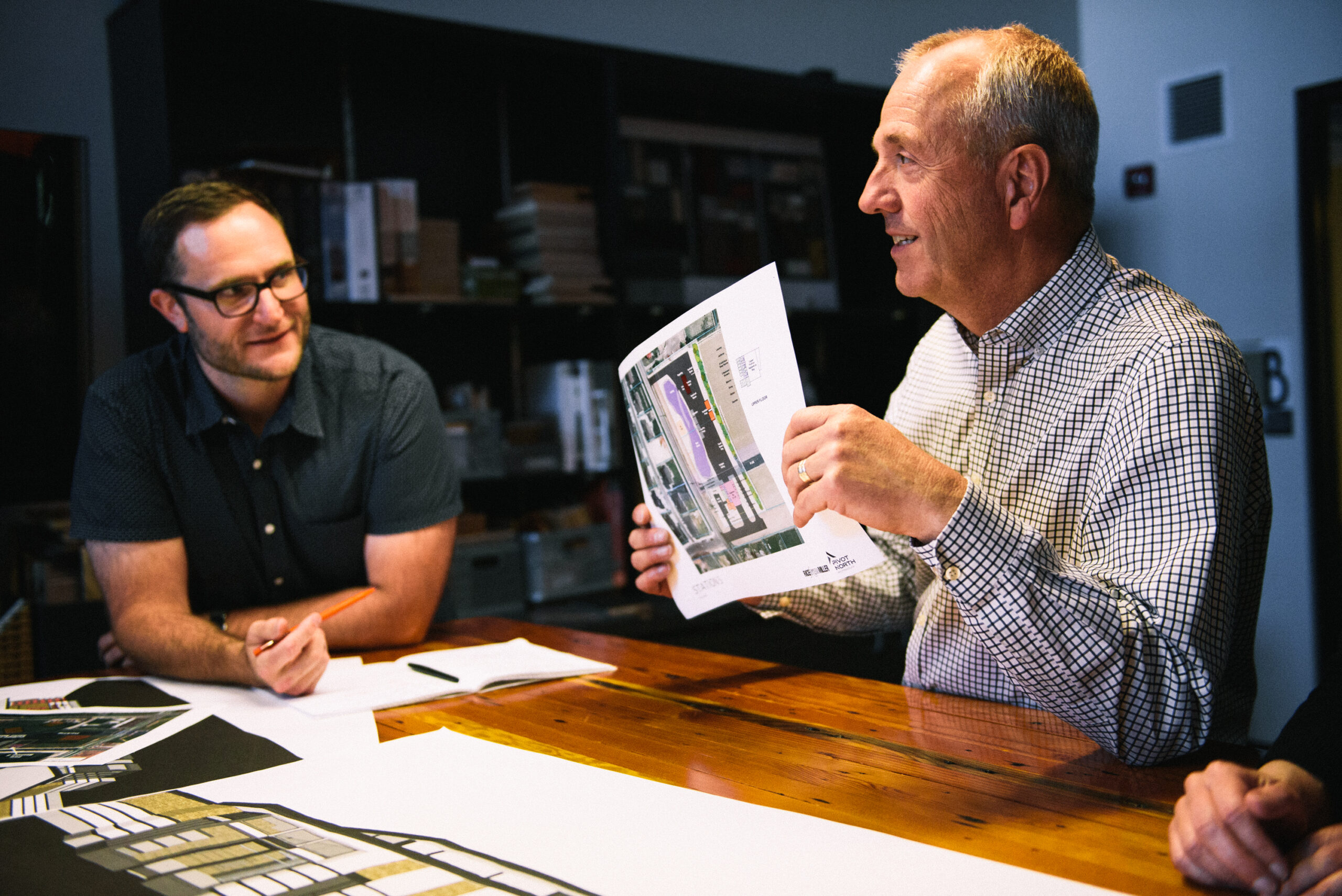
Meet the Team: Gunnar Gladics
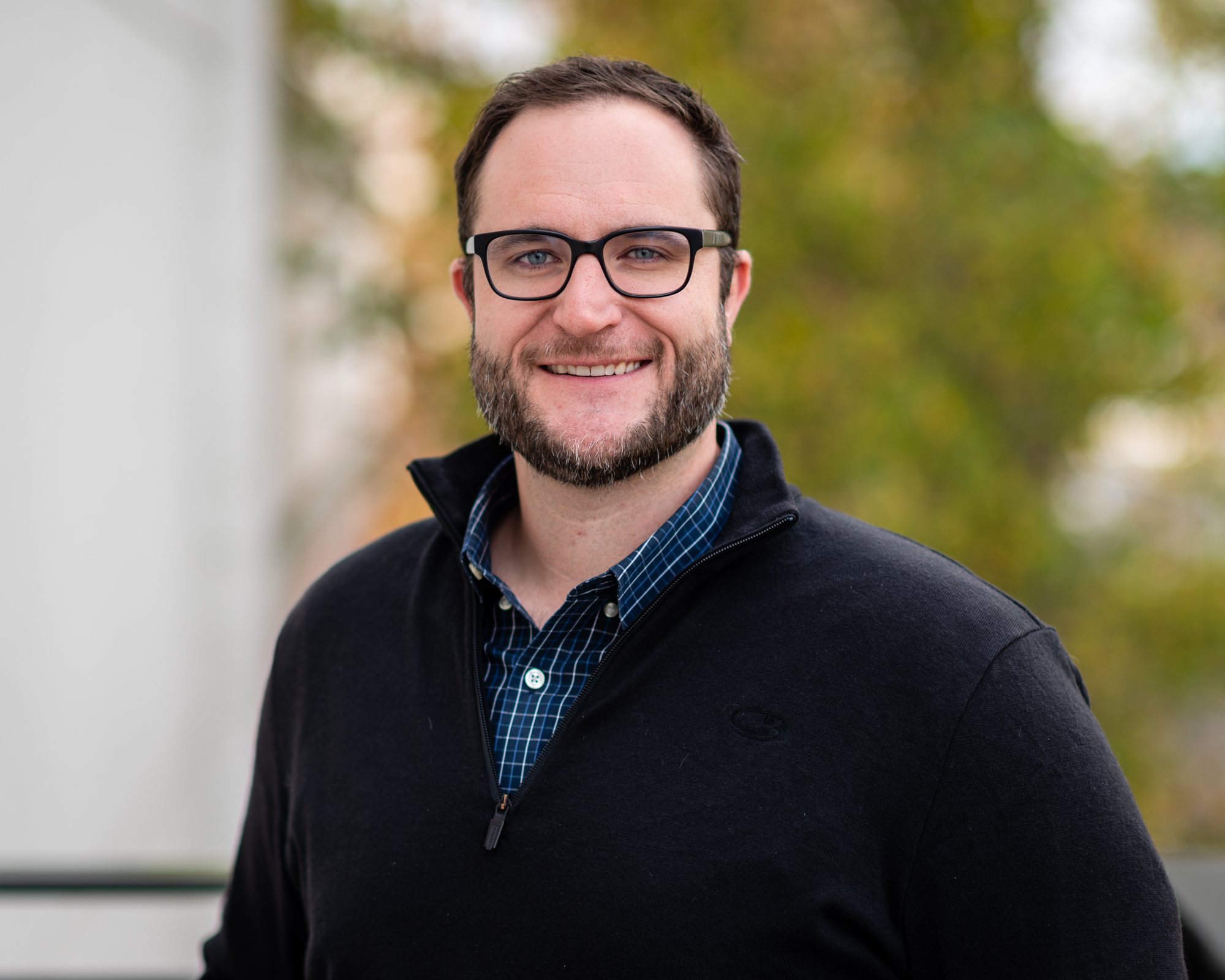
If you haven’t had the privilege of working with Gunnar Gladics, it might be because you’re not the Commissioner of a fire district or Chief of a fire department. But for those of you who have worked with Gunnar, you probably know him as an even-keeled team leader with a deep interest in sustainability and practically oriented design strategies.
As a Principal leading Rice Fergus Miller’s robust Fire & Emergency Services (FES) market, Gunnar works alongside Dave Fergus, who launched the firm’s FES market over 25 years ago, Howard Struve, who has worked on fire stations at RFM for over 20 years, and Sarah Gladics, a station planning expert who has dedicated her interior design career to fire stations and other emergency response facilities also support the market.
We chatted with Gunnar for B Corp month to learn more about why he enjoys working at RFM, what opportunities he sees for sustainable design in fire stations, and how he plans to make a mark at the firm in the years to come.
Rice Fergus Miller: When did you first decide you wanted to be an architect?
Gunnar Gladics: Most people are surprised to learn that I’ve been doing this work for a really long time. My dad owned his own construction company and I worked for him from a young age. In fact, I filed for my first building permit before I even had a driver’s license! It was an addition to my social studies teacher’s house in Idaho, and I helped my dad build it over the summer.
RFM: How did you get involved in fire station design?
GG: While working for my dad, I had the opportunity to see these huge houses in Sun Valley, and I became interested in design. But I wanted to design things that improved communities, not exclusive homes in the mountains. When I met Dave Fergus and realized that you could just focus on one type of project – fire stations – and build a career around it, I was hooked. I love that fire stations are about serving people and protecting communities. That really clicked for me.
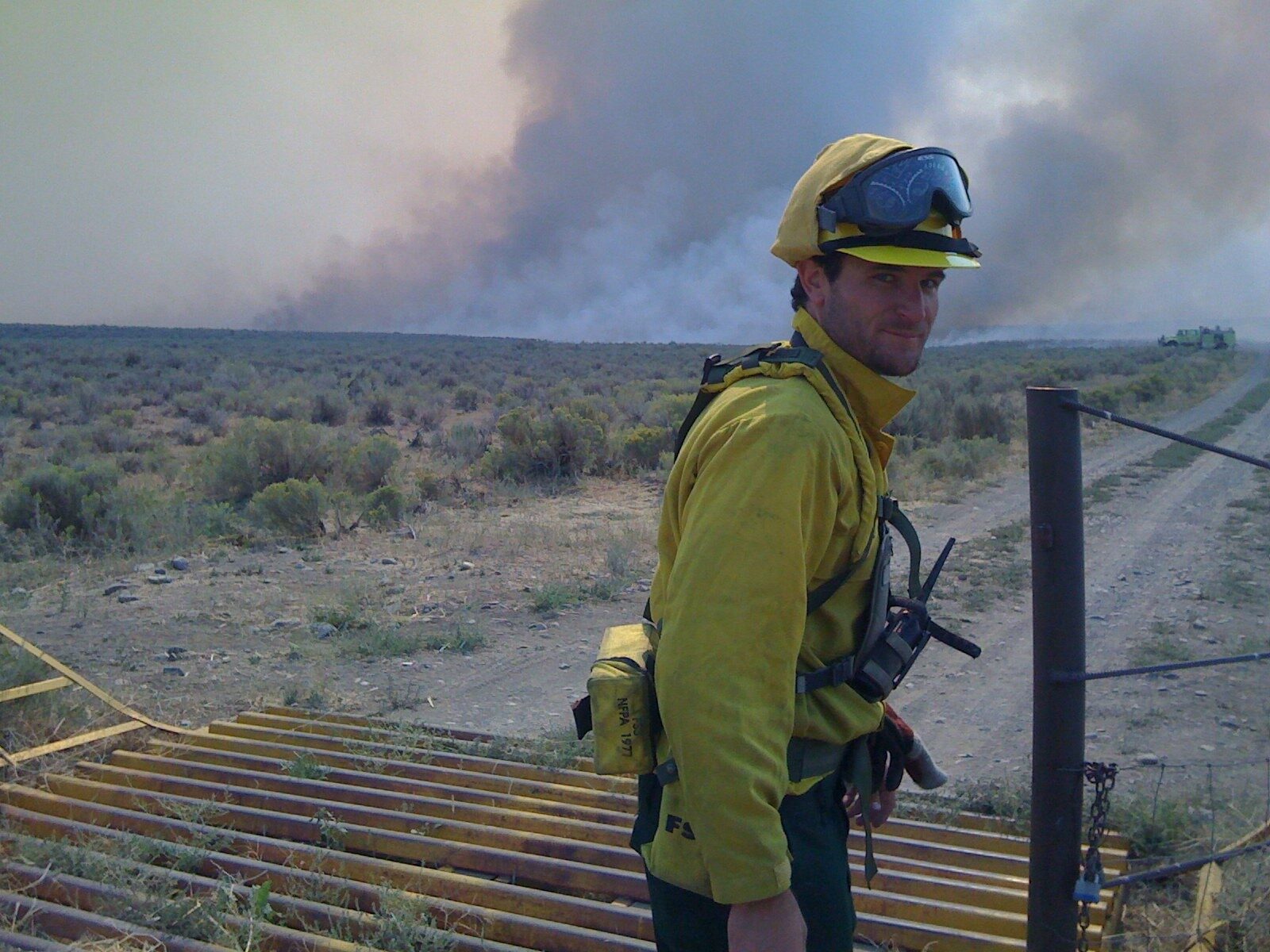
RFM: You were a volunteer firefighter for a time. How did you get into that?
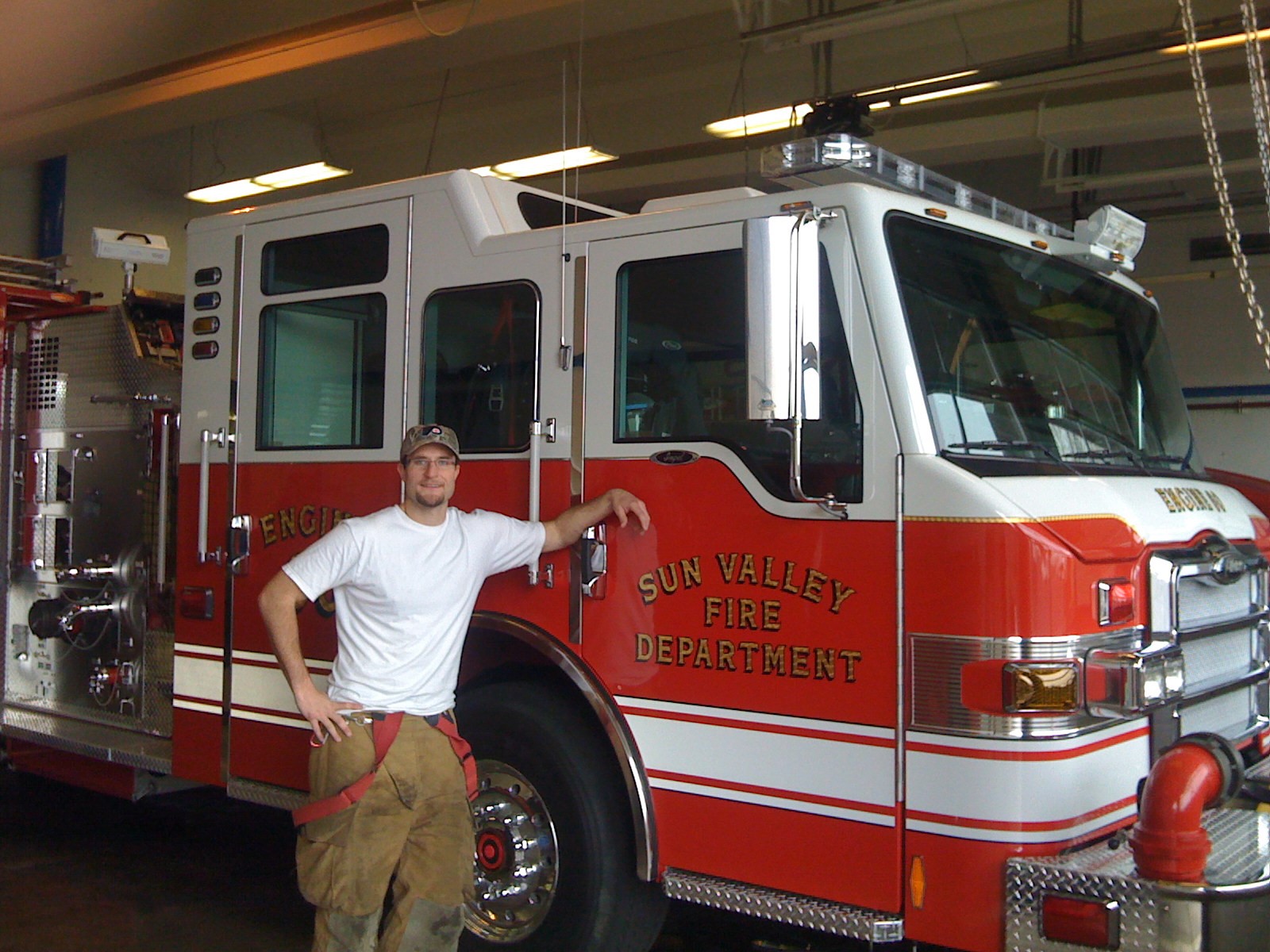
GG: I graduated from college after 9-11, and a friend introduced me to volunteer firefighting. I spent nearly every weekend doing it. I guess that the physical nature of it tied into the work I had done in construction, and it felt natural to me. When I was working in Sun Valley, I went through the Fire Academy with about 25 people of all ages, and we learned a ton going through the program together. It was very memorable.
RFM: What significant experiences do you remember?
GG: I remember two significant incidents – the first was a wildfire near Ketchum in 2007. The Castle Rock Fire ended up being a Type 1 incident – which means it was of national significance. The Federal Government sent in these huge management teams. Seeing the system of defense roll out, the highly coordinated effort, and how so many resources came together to fight that fire was really mind blowing. That made me interested in taking classes about the National Incident Management System to learn more about how to organize teams and coordinate large operations.
The second incident was a fire in downtown Ketchum. A half a city block burned, started by unknown causes, and resources were called in from hours away to fight that blaze. I was working in the platform of an aerial tower with a friend and was struck by how quickly so much devastation occurred – the livelihoods lost, and businesses destroyed. It reminded me why I do what I do and how necessary fire districts and departments are for their communities.
RFM: How have these experiences impacted your design approach?
GG: A lot of other architects work on fire stations, but very few have been through training academy or worked as a firefighter. That has helped me really understand the nuances of what happens in a station, and how they get used. I can put myself in the shoes of the firefighters who will be working in these stations and understand how to make them very functional from a day-to-day perspective.
RFM: Why is sustainability important to you?
GG: My interest in sustainability stems from energy use in buildings. I was always interested in seeing if a building could power itself. While working at the Integrated Design Lab for five years I internalized G.Z. Brown’s mantra that “buildings don’t use energy, people use energy.” My focus has been all about human comfort and health, and how we can improve those things while driving down occupant energy use.
RFM: What opportunities do fire stations present for sustainable design?
GG: There are lots of opportunities for lowering energy use and thinking about how occupants will use the spaces. We’re prototyping Net Zero Energy (NZE) buildings – two of our newest stations in Idaho are NZE-ready. The rest of the work we do is focused on human health and wellness, such as considering certifications like WELL. Of course, we still pursue LEED when it’s appropriate, but we’re looking beyond the certifications to really make an impact through energy reduction, and wellness through healthy materials that are good for people and the planet.
RFM: Speaking of wellness, what are some of the ways that fire station design can impact mental health?
GG: Daylighting is critical. We make sure that spaces are well daylit, provide views to the outdoors, and access to outdoor space where volunteers and staff firefighters can be comfortable and relaxed, even in urban sites. We have to think about providing areas of respite.
Firefighters are also exposed to toxic chemicals and carcinogens, and they face serious psychological and mental pressures. Just last month another one of our clients had a suicide. This is a big problem in fire departments, so we are always thinking about how to mitigate physical harms, but also the emotional experience of being in a station. Many station designers think “Ooh, I’m designing a fire station, I better paint everything red and use diamond plate finishes” but that can be really taxing on a person’s mental state – which is already overtaxed. Sarah Gladics, RFM’s station interior designer, works on designing interiors so they are calming and soothing to the senses. And yes, you guessed it, Sarah is my wife.
RFM: What is your favorite part of what you do?
GG: I get a lot of satisfaction out of being at the nexus of what communities need, can pay for, and they are proud of. Finding that sweet spot is very fulfilling. We have built expertise around serving first responders – the people who keep our communities safe – and that brings me a lot of joy. I’m looking forward to continuing to work with those people in my career, as well as helping build on what Dave started at RFM by creating more internal systems that can help the firm thrive.